What is a Corrosion Testing Chamber and How Does it Work?
Corrosion is a significant concern across various industries, costing billions annually. The National Association of Corrosion Engineers estimates that corrosion-related issues can cost industries around $276 billion in the U.S. alone. To combat these challenges, many companies invest in a Corrosion Testing Chamber. This specialized equipment simulates environmental conditions to evaluate material durability and resistance to corrosion.
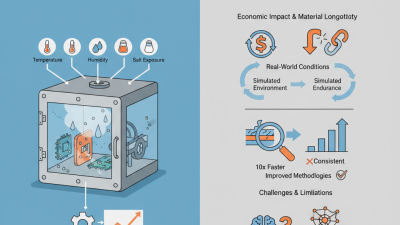
A Corrosion Testing Chamber operates by recreating conditions such as humidity, temperature, and salinity. Through accelerated testing, manufacturers can identify potential weaknesses in their materials before deployment. Industry standards, including ASTM and ISO guidelines, provide frameworks for testing that ensure reliability and consistency. The results provide invaluable data that help in decision-making and material selection.
However, not all corrosion tests yield perfect results. Factors like chamber maintenance, test durations, and environmental variations can influence outcomes. Understanding these limitations is vital for accurate interpretations. As technology evolves, improvements to Corrosion Testing Chambers are necessary to enhance their effectiveness and relevance in modern applications.
What is a Corrosion Testing Chamber?
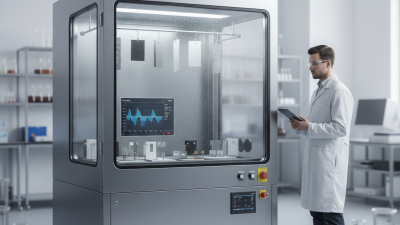
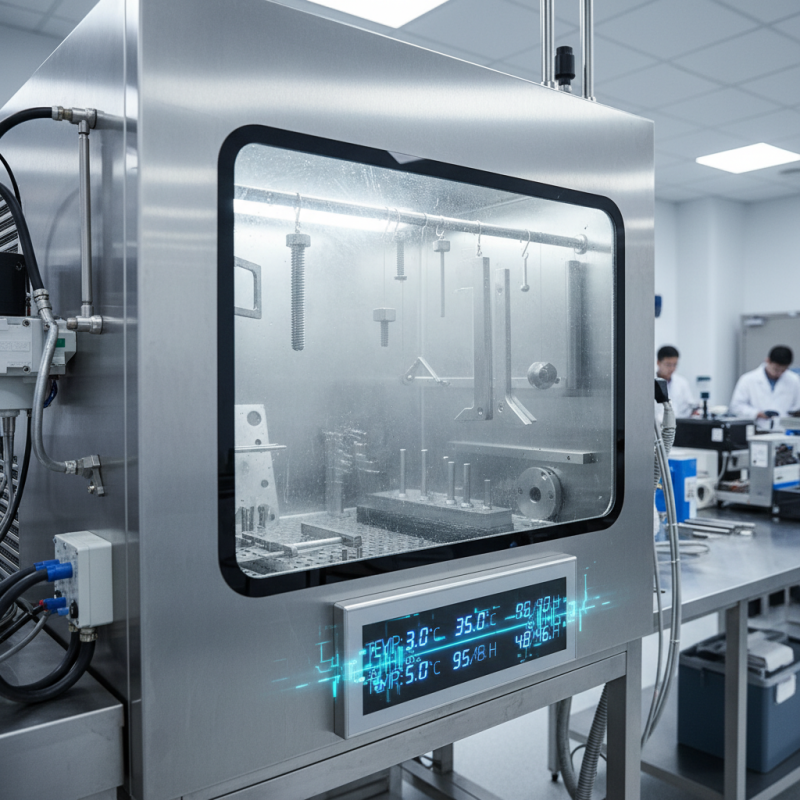
A corrosion testing chamber is a specialized environment designed to accelerate the degradation of materials through corrosion processes. It simulates various environmental conditions, such as humidity, temperature, and exposure to corrosive substances. These chambers are vital in testing the durability of metals and coatings in real-world scenarios.
Inside the chamber, samples are exposed to controlled conditions. High humidity levels and temperature variations mimic natural corrosive environments. The use of saltwater spray is common, as it represents a significant factor in corrosion. Understanding how materials react under these stressors can lead to better product developments.
Proper calibration and monitoring are necessary for accurate results. Inconsistent data may arise from improper settings or sample preparation. Reflecting on testing practices can help improve reliability. Recognizing areas for improvement in testing methods is essential. It ensures that products withstand the challenges of their intended environments effectively.
The Importance of Corrosion Testing in Material Science
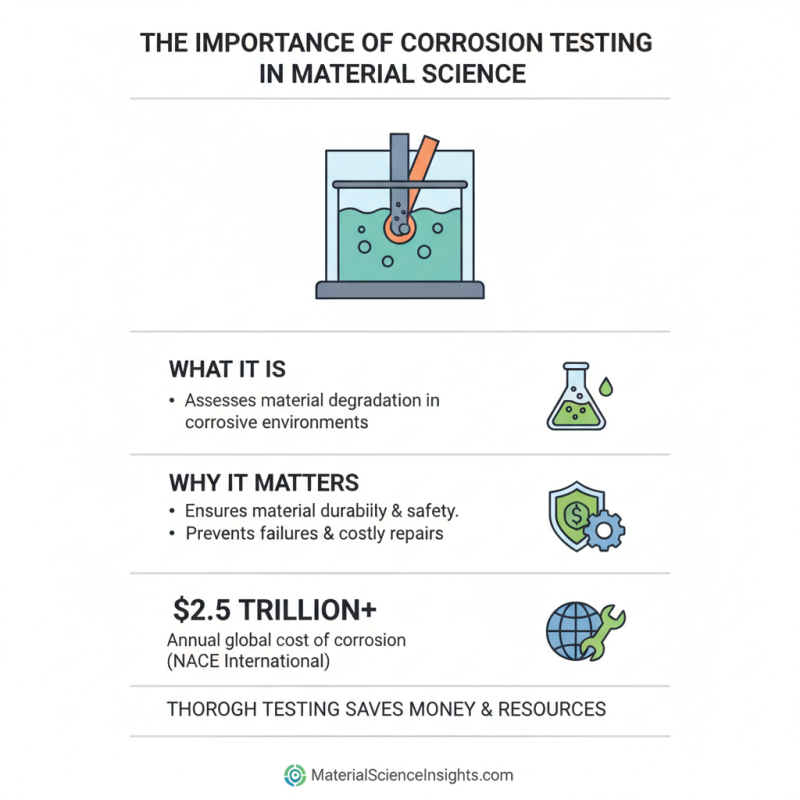
Corrosion testing plays a crucial role in material science. It helps assess how materials degrade when exposed to corrosive environments. According to the NACE International report, corrosion costs the global economy over $2.5 trillion annually. This figure emphasizes the significance of thorough testing and material evaluation.
When materials corrode, how it affects structural integrity is vital. Engineers and scientists must understand the lifespan of materials in specific conditions. Corrosion testing chambers simulate environments such as humidity, temperature, and various chemical exposures. A study from ASTM International indicates that materials can lose up to 50% of their strength due to corrosion over time. This loss underscores the necessity of timely testing.
Despite advanced technology, some testing methods still reflect limitations. Certain materials show unexpected resistance or vulnerability in harsh conditions. These anomalies must be studied further. Relying solely on standardized tests can risk overlooking unique material behaviors. Therefore, continuous analysis and adaptation in testing methods are paramount for improved accuracy in predicting corrosion impacts.
Key Components of a Corrosion Testing Chamber
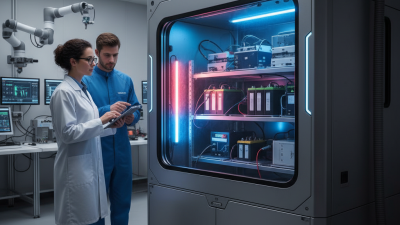
A corrosion testing chamber is a vital tool used to evaluate material resistance. These chambers simulate harsh environmental conditions to test how materials degrade over time. Key components of a corrosion testing chamber include a controlled environment, monitoring systems, and various corrosion-inducing agents.
The controlled environment is crucial. It must maintain precise temperature and humidity levels. This facilitates accurate replication of real-world conditions. Monitoring systems track changes in material properties during tests. Continuous observation provides data that helps in assessing performance. Corrosion-inducing agents, like saltwater or acidic solutions, accelerate deterioration. These elements mimic potential realities materials may face.
Here’s a tip: Regular maintenance of the testing chamber ensures reliable results. Inspect sensors and calibrate instruments often. Another tip is to document findings carefully. This provides valuable insights over time. Mistakes can happen, so revisiting older data may reveal patterns or overlooked issues. It’s essential to remain open to improvement and adaptation in testing methods.
What is a Corrosion Testing Chamber and How Does it Work? - Key Components of a Corrosion Testing Chamber
| Component |
Function |
Material Used |
Common Applications |
| Control System |
Regulates temperature and humidity levels |
Electronic components |
Research and Development |
| Test Chamber |
Houses the specimens, controlling environmental conditions |
Stainless steel, acrylic |
Material testing |
| Water Spray System |
Applies water or solution to specimens for accelerated corrosion |
Plastic, metal |
Corrosion experiments |
| Humidity Control |
Maintains desired humidity levels in the chamber |
Mechanical components, sensors |
Environmental testing |
| Test Specimens |
Materials exposed to corrosion testing |
Various metals and alloys |
Industry standards compliance |
How Corrosion Testing Chambers Simulate Environmental Conditions
Corrosion testing chambers are essential for evaluating material durability under simulated environmental conditions.
These chambers replicate factors like humidity, temperature, and salinity to assess how materials react over time.
The ASTM B117 standard, commonly used in corrosion testing, highlights the importance of salt fog tests.
According to industry data, nearly 30% of material failures result from corrosion. This underlines the need for effective testing.
The testing process often includes continuous exposure to corrosive elements. For example, a chamber may operate for 1,000 hours, mimicking years of real-world exposure.
Results help engineers select appropriate materials, ultimately saving costs. However, discrepancies can arise between lab conditions and actual environments.
Each material’s response can be unpredictable, necessitating ongoing adjustments.
Tip: Monitor temperature and humidity levels closely in testing chambers.
Small changes can significantly impact results. Regular maintenance of the chamber is also crucial for reliable outcomes.
Ensure consistency for effective material evaluation.
Interpreting Results from Corrosion Testing Chamber Experiments
Corrosion testing chambers simulate real-world environmental conditions. They expose materials to various stressors, like humidity, temperature, and salt. By understanding how these factors interact, researchers can evaluate a material's durability over time.
Interpreting results from experiments is crucial for effective analysis. For instance, the presence of rust indicates oxidation. This visual cue serves as a primary indicator of material degradation. However, data might not always be clear-cut. Sometimes, the results require further investigation. Corrosion can manifest in ways that are not immediately evident.
The challenge lies in correlating lab results with field performance. Laboratory conditions can differ from real-world scenarios. A test might show promising results. Yet, under different conditions, the material may fail. Understanding the gap between lab and field is vital for practical applications.
Corrosion Resistance Comparison of Different Materials
This chart compares the corrosion resistance of various materials based on testing conducted in corrosion testing chambers. The data represents the average corrosion rate (mm/year) observed after 1000 hours of exposure to a saline environment.