How to Choose the Right Altitude Chamber for Your Needs?
Choosing the right altitude chamber is crucial for your health and performance. An altitude chamber simulates high-altitude conditions. These chambers have gained popularity among athletes and medical professionals. However, many users struggle with selecting the right one.
The variety in altitude chambers can be overwhelming. Different models cater to various needs, from enhancing athletic performance to aiding in recovery. It is essential to assess your specific requirements before making a decision. Consider features such as size, safety, and purpose. Does the chamber match your lifestyle? Each detail matters in this selection process.
Understanding the specifications and usability of altitude chambers can be complex. Do not rush your choice. Seek expert advice if needed. Making the right choice can improve your training and health significantly. However, remember that your requirements may evolve over time. Regularly reevaluate your needs to ensure you are utilizing the best option for you.
Understanding Altitude Chambers: Types and Functions
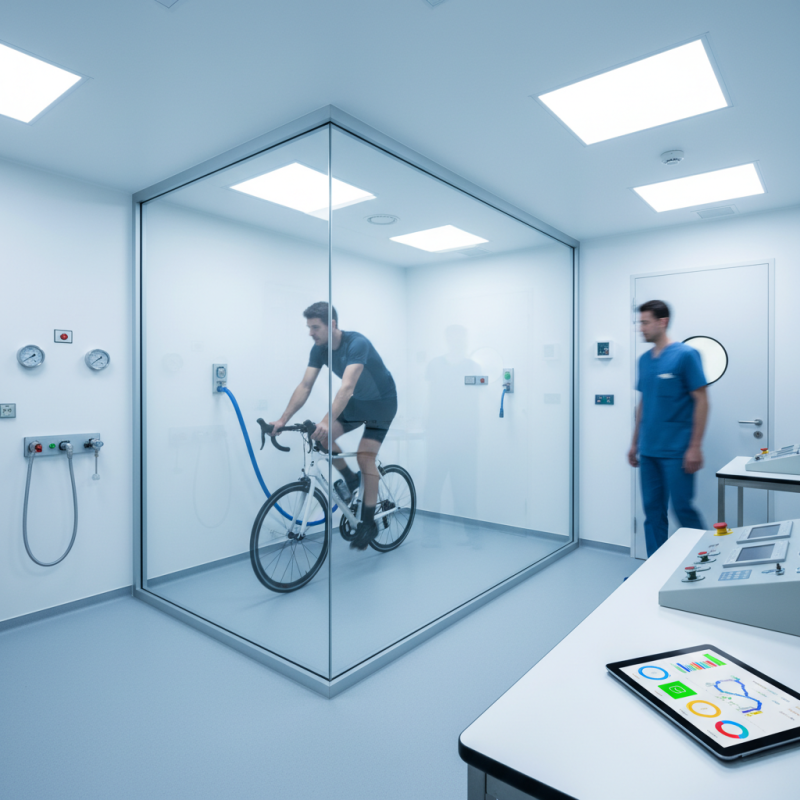
Altitude chambers are essential tools for athletes, adventurers, and medical professionals. They simulate high altitudes, allowing users to adapt to lower oxygen levels. Various types of altitude chambers exist, catering to different needs. Understanding their functions can help you choose the right one for your requirements.
There are portable units ideal for personal use. They are light and convenient. Larger chambers are usually found in clinics or training facilities. These often offer advanced features and can accommodate more users. When selecting a chamber, consider the environment and purpose. For training, a gentle increase in altitude over time is critical.
Tips: Always consult a professional before using altitude chambers. They can provide insights tailored to your health needs. Monitor your body's response closely when beginning. If discomfort arises, don't hesitate to lower the altitude temporarily.
Key Considerations for Selecting an Altitude Chamber
Choosing the right altitude chamber requires careful consideration of several key factors. One of the most essential aspects is the chamber's pressure range. Reports indicate that altitude chambers should ideally simulate elevations between 8,000 and 18,000 feet. This range maximizes benefits like improved oxygen efficiency and enhanced endurance for athletes.
Another critical consideration is the chamber's size and capacity. Larger chambers can accommodate more users simultaneously, which is beneficial for training groups. According to the Journal of Sports Science, social training environments can boost motivation and performance. It's also vital to examine the chamber's technology. Some may offer advanced features like <real-time monitoring of oxygen levels>, which can enhance training effectiveness.
Cost is a significant factor as well. Altitude chambers vary widely in price, and the decision often comes down to budget. Investing in higher-quality models may be necessary, but that doesn't guarantee better performance. Additionally, potential users should reflect on their specific needs. Recreational users might not require the same specifications as elite athletes. This discrepancy can influence both choice and satisfaction.
Evaluating the Benefits of Hypoxic Training
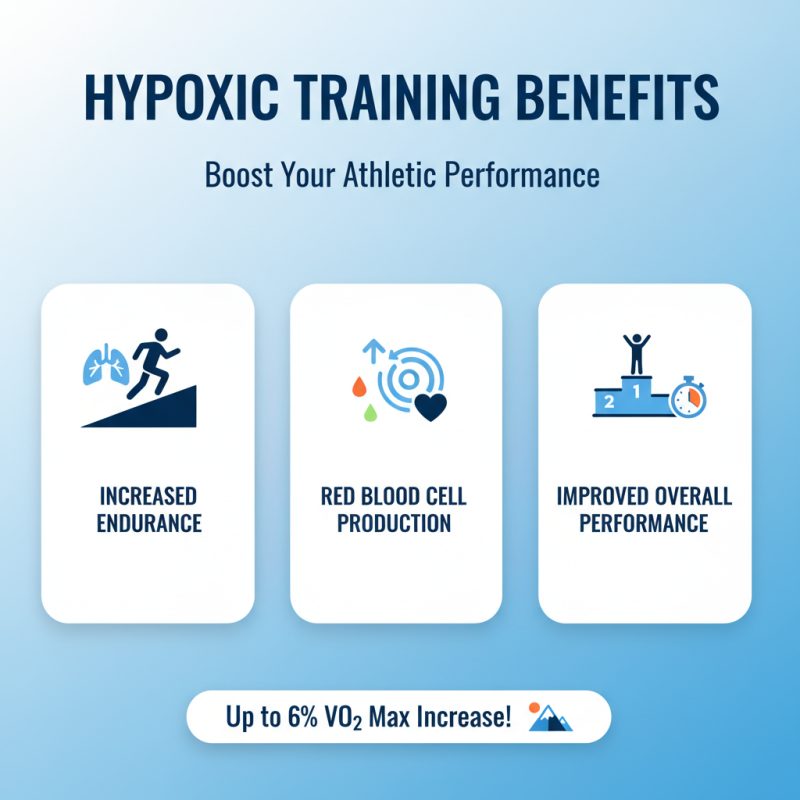
Hypoxic training, or training at reduced oxygen levels, has become increasingly popular among athletes. This method can enhance endurance, increase red blood cell production, and improve overall performance. A study published in the Journal of Sports Science indicated that athletes training at high altitude can see an increase in VO2 max by up to 6% after a few weeks of acclimatization. This improvement is crucial for enhancing aerobic capacity.
When choosing an altitude chamber, consider personal health and fitness goals. Not every athlete responds the same way to hypoxic conditions. Research from the American College of Sports Medicine suggests that individual responses can vary significantly. Some may experience fatigue or altered sleep patterns. This underscores the importance of monitoring these effects during training.
Tips: Start with shorter sessions in the altitude chamber. Monitor your body's responses frequently. Gradually increase duration and intensity.
Understanding how altitude affects performance is essential. Not all studies agree on the long-term benefits of hypoxic training. Some athletes report diminishing returns after initial gains. This realization invites a critical appraisal of training methods. Constant reflection on your progress will help you optimize your routine.
Performance Metrics: How Altitude Affects Athletic Output
Altitude training can significantly impact athletic performance. Research suggests that training at higher altitudes leads to physiological adaptations, such as increased red blood cell production. A study published in the Journal of Sports Sciences found that athletes training in environments with lower oxygen levels can improve their endurance by up to 6-8%. This adaptation allows for enhanced oxygen delivery during competitions.
The effects of altitude are not uniform across all individuals. While some athletes thrive in such conditions, others may struggle significantly. Data from the International Journal of Sports Medicine highlights that around 30% of athletes experience decreased performance when exposed to altitude training. This variability emphasizes the importance of personalized assessment in selecting an altitude chamber.
Moreover, the effects of altitude on strength training are less straightforward. A study by the Scandinavian Journal of Medicine & Science in Sports showed that while aerobic capacity improves, strength gains might not follow the same pattern. Athletes may need to balance time spent at altitude with time at sea level for optimal training. Each athlete's experience can differ, making it critical to monitor responses to altitude training closely.
Cost vs. Benefits: Budgeting for an Altitude Chamber Purchase
When considering purchasing an altitude chamber, budgeting is crucial. These chambers vary in price, from a few thousand to tens of thousands of dollars. Your choice should reflect not just the initial cost but also the potential benefits. Assess how often you will use the chamber. Frequent use can justify a higher upfront investment.
Evaluate the features that matter most to you. Some chambers offer advanced technology for precise altitude simulation. Others may have basic functions but at a lower cost. Determine what fits your training or recovery goals. It’s easy to underestimate maintenance costs. Regular upkeep may add to your budget, so plan accordingly.
Consider the long-term advantages as well. How will it enhance your performance? Reflect on the value it brings more than just numbers. A cheaper option may save money now but could limit your experiences later. In contrast, investing in a quality chamber could yield significant benefits over time. Make sure you weigh all these factors carefully before making your decision.