2026 Top Corrosion Testing Chamber Innovations and Benefits?
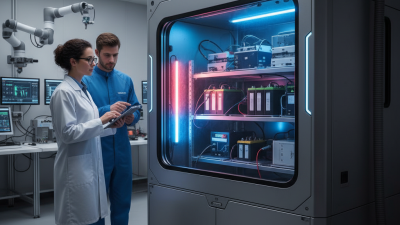
In the realm of material testing, the importance of the Corrosion Testing Chamber cannot be overstated. Industry expert Dr. Emily Carter states, "Innovations in corrosion testing processes are crucial for advancing material durability." This quote encapsulates the ongoing pursuit of improved testing methodologies aimed at increasing the resilience of various materials against corrosion.
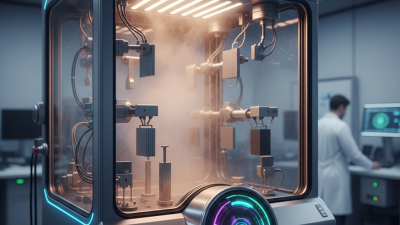
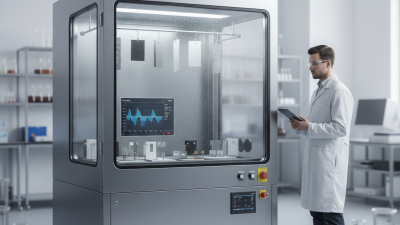
Recent innovations in corrosion testing chambers have introduced advanced environmental simulations. These chambers recreate harsh conditions to better assess material performance. Enhanced monitoring technologies now provide precise data, allowing for more effective analysis. These developments contribute not only to product longevity but also to safety across industries.
However, the challenge remains in standardizing these innovations. Some testing chambers still fall short in replicating real-world conditions. This inconsistency can lead to questionable results. As the industry pushes for more reliable testing solutions, further refinement and exploration are essential. By focusing on continuous improvement, we can unlock the full potential of the Corrosion Testing Chamber and its impact on materials science.
Overview of Corrosion Testing Chambers and Their Importance
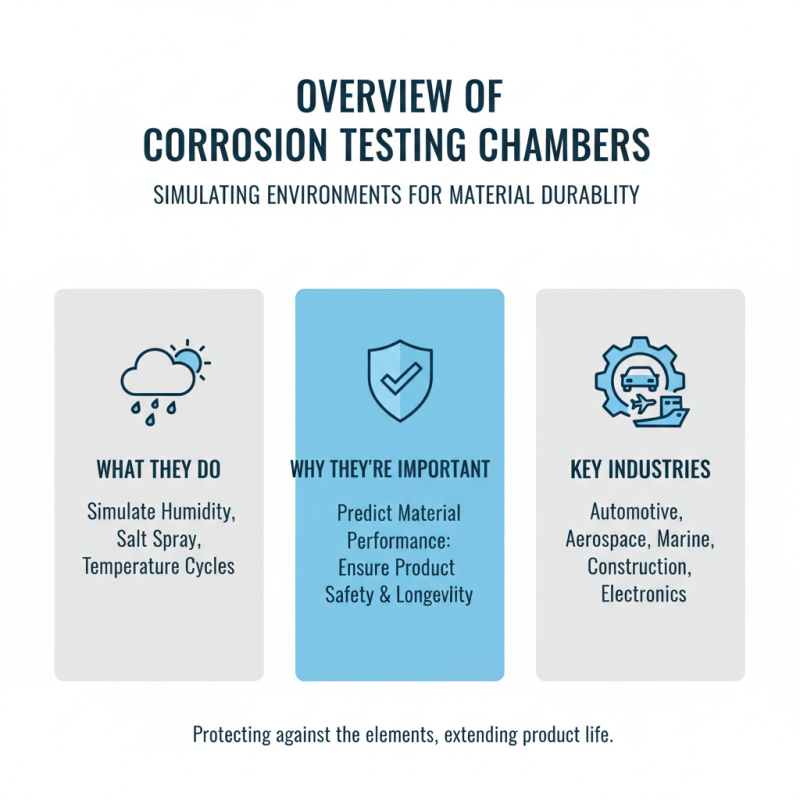
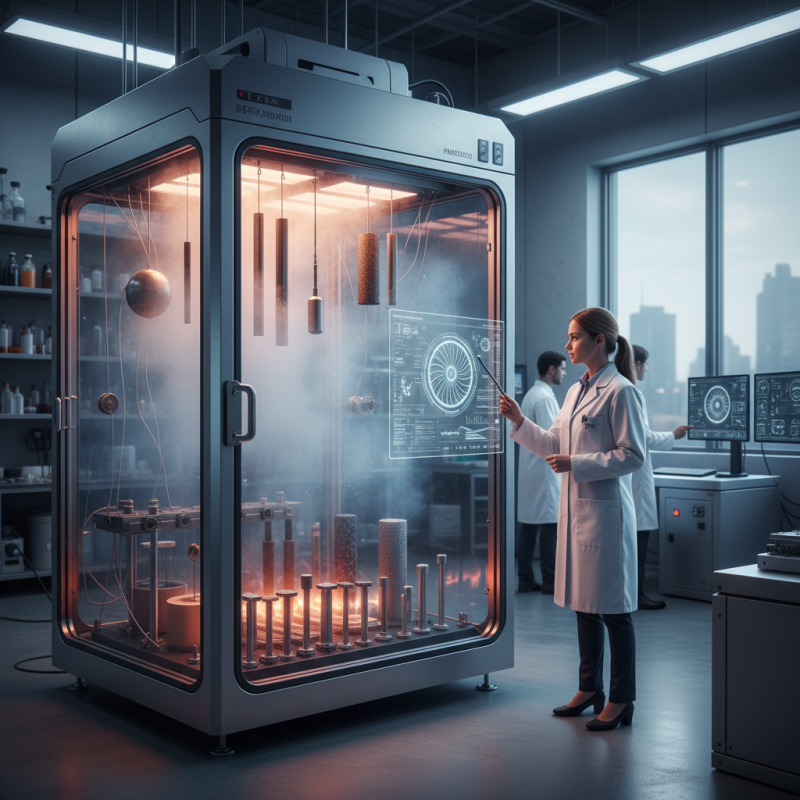
Corrosion testing chambers play a crucial role in various industries. They simulate different environmental conditions to assess the durability of materials. By exposing samples to elements such as humidity, salt, and temperature variations, these chambers help predict material performance over time. This is vital for product safety and longevity.
The importance of corrosion testing cannot be overstated. It provides valuable insights into the lifespan of materials used in construction, automotive, and aerospace sectors. However, there are limitations. Not all test conditions reflect real-world scenarios. Testing methodologies may not capture every possible factor leading to corrosion. This requires ongoing innovation in chamber design. New technologies are emerging, aiming to improve accuracy and reflectivity of real-life conditions.
Advancements in corrosion testing chambers are essential for better material selection. As industries evolve, the need for reliable testing grows. Understanding how materials will react in various environments is a complex task. Challenges remain in replicating extreme or unusual conditions. Continuous improvements in this field can lead to better products and safer environments.
Key Innovations in Corrosion Testing Technology for 2026
Corrosion testing technology is experiencing significant advancements in 2026. The focus is on improving accuracy and reliability in testing methods. Innovations include enhanced chamber designs that optimize environmental conditions. These chambers can simulate a wider range of corrosive environments. This simulates real-world exposure more effectively.
Another notable advancement is the integration of real-time monitoring systems. Sensors can track corrosion rates continuously. Data analytics tools provide deeper insights into corrosion mechanisms. This level of detail helps engineers make informed decisions about material selection. Corrosion professionals now have access to actionable data like never before.
Despite these innovations, challenges remain. Some testing methods may still lack standardization across industries. Ensuring consistent results can be difficult. Moreover, the complexity of simulating certain real-world conditions can leave gaps in testing accuracy. This highlights the need for ongoing research and development to further refine these technologies.
2026 Corrosion Testing Innovations Overview
Benefits of Advanced Corrosion Testing Chambers for Industries
Corrosion testing chambers have become pivotal in various industries. These chambers simulate extreme environmental conditions that materials might face. As corrosion can lead to significant economic losses, companies must invest in advanced testing solutions. Recent industry reports indicate that corrosion costs the economy over $276 billion annually in the U.S. alone.
The benefits of advanced corrosion testing chambers are numerous. They allow for accelerated testing, revealing vulnerabilities within weeks instead of years. A study by the National Association of Corrosion Engineers suggests that effective testing can reduce maintenance costs by up to 30%. Testing chambers equipped with controlled atmospheres also enable better prediction of material lifespans, vital for industries such as aerospace and automotive.
Access to accurate data is essential, yet many laboratories still rely on outdated methods. Continuous advancements in technology provide opportunities for improvement. However, not all companies adapt quickly. Many face challenges in integrating new testing protocols. Ensuring that staff are trained in novel methodologies remains critical for success. The complexity of these innovations requires a balanced approach to implementation and continuous reassessment of practices.
Comparative Analysis of Traditional vs. New Testing Methods
Corrosion testing plays a crucial role in industries dealing with
materials vulnerable to degradation.
Traditional methods often rely on static conditions, exposing samples to uniform environments.
These tests can be time-consuming and may not accurately represent real-world conditions.
For instance, standard salt spray tests may not account for variations in
temperature or
humidity that materials typically encounter in service.
In contrast, new testing methods utilize advanced technology.
They simulate complex environmental conditions more effectively.
These innovations involve real-time monitoring and adjustments.
The use of automated systems allows for a more dynamic approach to testing.
Additionally, machine learning algorithms analyze data more accurately, predicting potential failures.
However, some industries remain hesitant to adopt these innovations due to their cost.
While the benefits of modern testing are clear, challenges persist.
New methods require skilled personnel to manage technology.
Some engineers might struggle with the transition from familiar techniques.
This reluctance can hinder the broader acceptance of improved testing practices.
Understanding both traditional and modern approaches is essential for informed decisions in corrosion testing.
Future Trends in Corrosion Testing and Chamber Design
The future of corrosion testing and chamber design is evolving rapidly. Innovations promise enhanced accuracy in simulations. More realistic environmental conditions in testing chambers are crucial. For instance, introducing variable humidity levels can help replicate real-world scenarios. Additionally, integrating advanced sensors allows for real-time data collection. This integration can improve reliability in test results.
User-friendly interfaces will become standard in chamber designs. This change makes it easier for technicians to operate equipment. However, the complexity of data interpretation might increase. Greater automation can streamline processes, but it also raises questions about human oversight. Designers must ensure that automated systems do not sacrifice accuracy.
Sustainability is a key focus for future designs. New materials and energy-efficient systems are being explored. These advancements aim to reduce the environmental impact of testing chambers. Nonetheless, achieving a balance between functionality and environmental responsibility remains a challenge. The field must continuously adapt and reflect on its practices to meet evolving demands.