2026 Top Corrosion Testing Chamber Innovations and Applications?
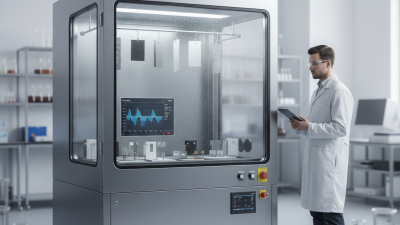
The corrosion testing chamber stands at the forefront of materials science innovations. As industries evolve, so do the methods for assessing material durability. In recent years, advancements in corrosion testing chambers have led to significant improvements in performance and reliability. These innovations are crucial for various applications, including automotive, aerospace, and construction.
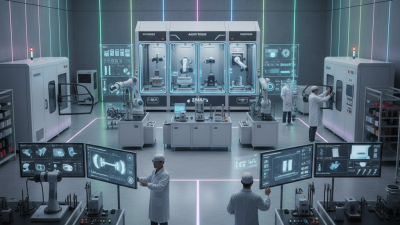
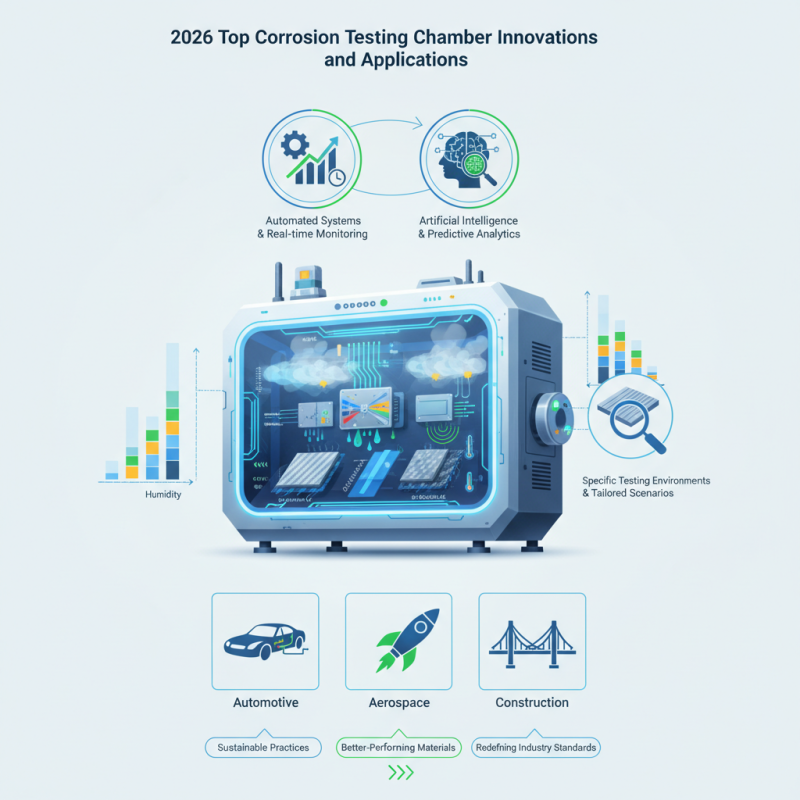
Many companies are exploring new technologies to enhance testing efficiency. For example, automated systems now allow for continuous monitoring of corrosion rates. This provides real-time data, which is vital for making informed decisions. Additionally, the integration of artificial intelligence is paving the way for predictive analysis. However, challenges remain. Not all chambers are universal across industries, leading to gaps in standardization.
Experts suggest that further research is needed in specific testing environments. The durability of materials is influenced by various factors, including humidity and temperature. A deeper understanding can help tailor corrosion testing scenarios to specific needs. As we look ahead, the future of the corrosion testing chamber promises innovations that could redefine industry standards. These changes could lead to more sustainable practices and better-performing materials.
Innovations in Corrosion Testing Chambers: A 2026 Overview
In 2026, corrosion testing chambers will see remarkable innovations. New designs focus on enhancing accuracy and efficiency. These advancements aim to provide more reliable data for materials evaluation. Users demand precise simulations of real-world conditions. Enhanced controls allow for better temperature and humidity regulation. Fine-tuning these variables is crucial for meaningful results.
One notable area of improvement is integration with AI technology. This technology facilitates automated analysis of test outcomes. It can identify patterns that may not be visible to the human eye. However, relying solely on AI can lead to oversight. Human expertise is still vital in interpreting complex results. Users should approach AI findings with caution, ensuring thorough validation.
Moreover, modular designs are gaining popularity. Customizable setups allow laboratories to adapt to various testing requirements. While these chambers promote flexibility, they may complicate standardization. Inconsistent practices could affect reliability across different laboratories. Continual assessment of these innovations is essential to ensure they meet industry needs effectively.
Key Features of Advanced Corrosion Testing Chambers for 2026
As we advance into 2026, innovations in corrosion testing chambers are transforming the industry. Modern chambers feature enhanced precision in environmental control, allowing for more accurate testing outcomes. Advanced models integrate real-time data analytics, which enables manufacturers to gauge corrosion rates effectively. According to industry reports, the market for corrosion testing equipment is projected to exceed $5 billion by 2026, showcasing a strong demand for reliable testing solutions.
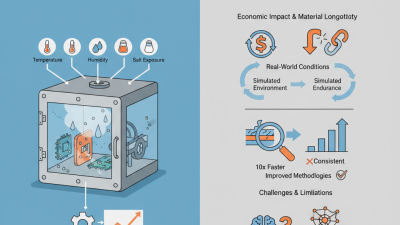
Key features of these chambers include multi-staged exposure programs that simulate a variety of corrosive environments. For example, many chambers can recreate conditions such as salt spray, humidity, and temperature fluctuations, providing comprehensive testing scenarios. It’s important to note that while these advancements are promising, the long-term reliability of some new features remains uncertain. Further research is needed to determine how these innovations hold up under extreme conditions.
Additionally, user interface improvements mean that testing is now accessible to a broader range of operators. However, the complexity of data interpretation can be daunting. Many users may find themselves overwhelmed by the volume of information generated. Reports indicate that 30% of operators struggle to translate data into actionable insights. As technology evolves, it is crucial for manufacturers to refine usability while maintaining the accuracy and integrity of the testing process.
2026 Top Corrosion Testing Chamber Innovations and Applications
This chart illustrates the advancements in key features of corrosion testing chambers expected in 2026, including temperature control, humidity management, and automated testing capabilities.
Applications of Corrosion Testing Chambers in Various Industries
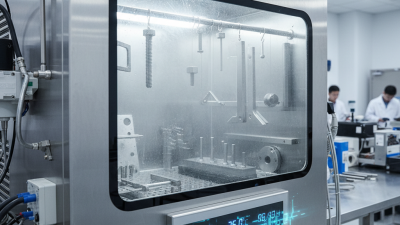
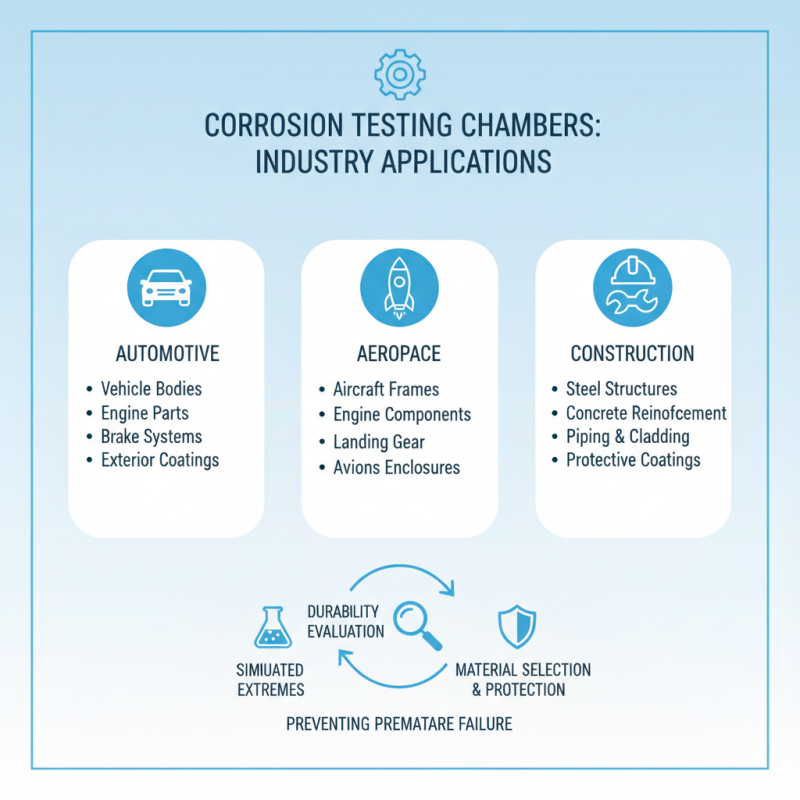
Corrosion testing chambers play a vital role across various industries. These specialized environments simulate extreme conditions that materials might face in their operational settings. Industries such as automotive, aerospace, and construction rely heavily on such chambers to evaluate the durability of their materials. By exposing these materials to corrosive agents, companies can better understand their lifespan. This testing helps in choosing the right materials and coatings to prevent premature failure.
In the energy sector, corrosion testing is crucial. Infrastructure like pipelines and offshore platforms face harsh environments. Corrosion testing chambers assist engineers in identifying vulnerabilities. This proactive approach ensures safety and efficiency. Similarly, the electronics industry utilizes these chambers for components exposed to humidity and temperature fluctuations. Even with advancements, there are occasional failures that reveal gaps in testing methods. This drives continuous improvement in testing protocols.
Certain industries still struggle with adapting to new testing technologies. The balance between cost and reliability often sparks debate. Some companies may overlook the importance of these tests until facing hefty failures. Learning from these setbacks can lead to improved practices in corrosion testing. As industries evolve, the need for innovation in corrosion testing grows even more pressing. Each sector must prioritize this aspect to safeguard their materials and assets.
Comparative Analysis of 2026 Corrosion Testing Chamber Technologies
Corrosion testing chambers play a crucial role in advancing material science. In 2026, innovations in chamber technologies aim to enhance reliability and efficiency in corrosion testing. These advancements include automated monitoring systems, improved humidity control, and advanced material selection for chamber construction. Automated systems enable precise control over test environments, reducing human error.
Tips: Regular calibration of equipment helps maintain accuracy. Updating your testing protocols ensures relevance.
The comparative analysis of these technologies highlights their effectiveness. Older models often lack the precision needed for today's materials. Newer chambers utilize real-time data analytics to provide insights into corrosion rates. This transforms how researchers approach material longevity and durability assessments.
Tips: Consider using multiple test methods to gather diverse data. This can lead to more comprehensive conclusions.
Emerging technologies also address common drawbacks in current systems. Issues like inconsistent temperature and humidity can compromise test integrity. Innovations aim to create stable environments, ensuring that results are more dependable and actionable. As these technologies continue to evolve, the industry can expect significant strides in understanding corrosion processes.
2026 Top Corrosion Testing Chamber Innovations and Applications
| Feature |
2026 Model A |
2026 Model B |
2026 Model C |
| Chamber Type |
Salt Spray |
Cyclic Corrosion |
Environmental |
| Temperature Range (°C) |
20 to 60 |
-20 to 70 |
10 to 50 |
| Relative Humidity (%) |
95 |
50 to 100 |
15 to 85 |
| Test Duration (Hours) |
500 |
1000 |
720 |
| Material Compatibility |
Metals, Plastics |
Metals Only |
Metals, Composites |
| Control Interface |
Digital |
Analog |
Touchscreen |
Future Trends in Corrosion Testing Chamber Designs and Methods
The field of corrosion testing is evolving rapidly.
New designs and methods enhance accuracy and efficiency. Industry reports indicate a growing demand for
advanced testing chambers,
projected to reach a market value of over $3 billion by 2026.
These innovations focus on improving environmental simulation to yield more reliable results.
Modern corrosion testing chambers utilize automation
and smart technology. These features increase testing speed and reduce human error. Innovative methods,
such as accelerated aging tests, simulate real-world conditions more accurately. However, these advancements
raise questions about accessibility for smaller companies. Not everyone can invest in cutting-edge technology,
which could widen the gap in testing capabilities.
Tips: Consider integrating modular designs
in testing chambers. This can enhance customization and flexibility. Also, be aware that not all new technologies
will deliver expected results. Testing new methods on a smaller scale
can prevent larger failures. Investing wisely in corrosion testing improvements is vital for sustainable growth
in this sector.