Why Invest in Drop Test Equipment for Quality Assurance?
In today's competitive market, investing in Drop Test Equipment is crucial for ensuring product safety and quality. Experts agree on this necessity. Dr. Emily Foster, a leading figure in quality assurance, emphasizes, "The right testing tools significantly reduce failure rates." This perspective highlights the importance of utilizing reliable drop test systems.
Drop Test Equipment helps manufacturers simulate various impacts, providing insights into product durability. By investing in this technology, companies can identify vulnerabilities early, leading to better designs and fewer recalls. The precision and consistency of these tests are essential in maintaining high standards.
However, not all organizations grasp the significance of this investment. Some may overlook potential risks until it's too late. Understanding the full value of Drop Test Equipment requires a shift in mindset. It's not just an expense; it's a safeguard for brand reputation and consumer trust. Failing to recognize this can result in costly consequences.
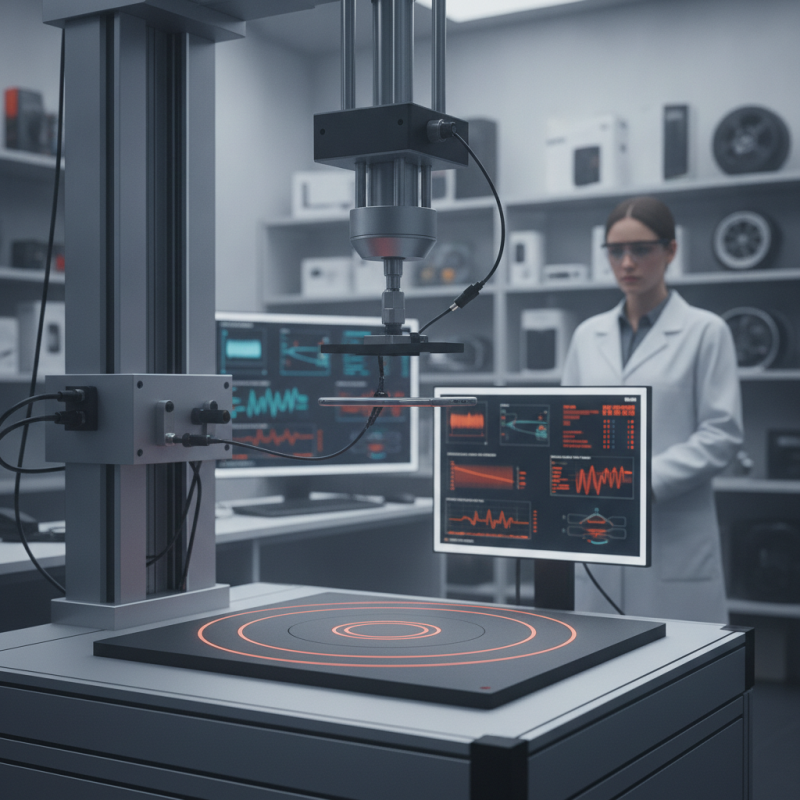
Importance of Quality Assurance in Product Development
In product development, quality assurance plays a crucial role.
Ensuring that products meet specific standards is vital. When products fail, it can lead to
customer dissatisfaction and financial loss. Therefore, investing in drop test equipment
is essential for evaluating product durability. It simulates real-world scenarios and helps identify weaknesses.
Testing your products can reveal unexpected vulnerabilities. Small design flaws may not show up in standard assessments.
These flaws can have significant repercussions on user experience. Investing in proper testing can help protect your
reputation. A durable product leads to happy customers.
Tips: Start with a thorough design review. Address potential failure points earlier
in the process. Conduct regular tests during development to catch issues. Feedback from testing can be invaluable for
improvements. Always consider real-life conditions in your testing scenarios, as this can mirror actual user experiences.
Overview of Drop Test Equipment and Its Functionality
Drop test equipment plays a critical role in quality assurance across various industries. This equipment simulates real-world impacts to assess the durability and reliability of products. According to industry reports, about 30% of product failures occur due to damage from drops. This statistic underlines the importance of testing, especially for electronics and consumer goods.
The functionality of drop test equipment is designed to replicate various drop conditions. It can adjust the height, angle, and surface type for a comprehensive analysis. In a recent study, products tested with this equipment were found to be 40% more reliable in real-world scenarios. This heightened quality assurance ensures that consumers receive safer and more durable products.
However, the reliance on drop testing can sometimes lead to complacency. Some companies may overlook other important testing methods. Incorporating multiple testing approaches can provide a more complete picture of product performance. Quality assurance is not only about passing tests; it's about understanding real-world challenges and improving continuously.
Key Benefits of Investing in Drop Test Equipment
Investing in drop test equipment can greatly enhance quality assurance processes. This specialized equipment simulates real-world impacts, ensuring product durability and safety. It helps manufacturers identify weaknesses in their designs before products reach consumers. Such proactive measures save time and costs associated with recalls and customer complaints.
Beyond cost savings, using drop test equipment builds consumer trust. Products that withstand rigorous testing are more likely to meet safety standards. Companies can market their reliability based on performance data gathered from these tests. This yields a competitive edge in a crowded marketplace.
However, it's crucial to approach testing with a critical mindset. Results can sometimes skew if not all variables are considered. Relying solely on drop tests may overlook other critical aspects of product performance. Balancing drop tests with additional testing methods ensures comprehensive quality assurance.
Why Invest in Drop Test Equipment for Quality Assurance? - Key Benefits of Investing in Drop Test Equipment
| Benefit |
Description |
Impact on Quality Assurance |
Potential Cost Savings |
| Enhanced Testing Accuracy |
Provides precise assessment of product durability during drops. |
Improves reliability of quality assurance processes. |
Reduces costs associated with product returns and customer dissatisfaction. |
| Improved Product Design |
Identifies weaknesses in design that can be improved before mass production. |
Enhances overall product quality and longevity. |
Saves on re-engineering and redesign costs. |
| Regulatory Compliance |
Ensures products meet industry safety standards regarding drop tests. |
Reduces risk of non-compliance penalties. |
Avoids costly fines and legal issues. |
| Increased Customer Satisfaction |
Ensures higher product quality leading to better customer experience. |
Promotes brand loyalty and repeat purchases. |
Increases overall sales and revenue through positive reviews. |
| Data-Driven Decisions |
Provides empirical data for informed decision-making in product development. |
Optimizes resource allocation and testing phases. |
Lowers costs associated with trial and error approaches. |
Impact of Drop Testing on Product Reliability and Customer Satisfaction
Investing in drop test equipment is crucial for ensuring product reliability. Products face various stresses during shipping. A fall or drop can have drastic effects. This equipment simulates those conditions. It allows manufacturers to evaluate how well their products hold up. This process is essential in today's market, where customer expectations are high.
Conducting drop tests builds confidence in product durability. It leads to improved customer satisfaction. When consumers receive reliable products, they are more likely to trust a brand. Quality assurance through rigorous testing can reduce the chances of returns. However, some companies overlook this vital step. They may assume that their products will always function as expected. This can lead to negative reviews and damaged reputations.
Investing in drop test equipment also highlights a company’s commitment to quality. Instead of quickly pushing products to market, brands can refine their offerings. Yet, some businesses may hesitate to allocate funds for such tests. This reluctance can stem from budget constraints or a lack of understanding about its importance. Ultimately, the cost of not investing can be far greater.