- Home
- Products
- About Us
- Resources
- Support
- Blog
- Contact Us
Leave Your Message
-
Phone
-
E-mail
-
Whatsapp
-
WeChat


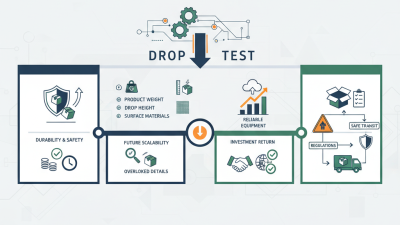
Choosing among China’s top Drop Testing Machine suppliers requires more than comparing prices on a product page. A reliable decision begins with the testing purpose. Consider package size, product weight, drop height, impact surface, and daily testing frequency. A machine for small electronics may not suit heavy cartons or industrial components.
Experienced buyers usually inspect the machine before discussing discounts. Look closely at the steel frame, lifting platform, release mechanism, control panel, and safety enclosure. Ask for test videos showing a real package, not only an empty platform. Request technical drawings, load limits, calibration records, and details about replacement parts. These documents reveal how seriously a supplier manages quality.
Supplier experience also matters. Review factory history, production capability, export markets, and customer feedback from comparable industries. A professional manufacturer should explain relevant standards clearly and recommend suitable configurations without exaggeration. Independent inspection can provide extra confidence before shipment. It may feel unnecessary, but one inspection can expose poor welding, unstable controls, or incorrect dimensions.
Price is important, yet the lowest quotation may hide weak service. Check installation guidance, training, warranty coverage, response time, and after-sales support. Confirm whether the supplier can provide calibration assistance after delivery. Small details matter.
No supplier is perfect. A shortlist may change after technical questions. That is useful. The best choice balances verified performance, transparent communication, maintainability, and long-term reliability. This guide examines practical criteria for selecting a dependable Chinese supplier and avoiding decisions based only on attractive photographs or low prices.
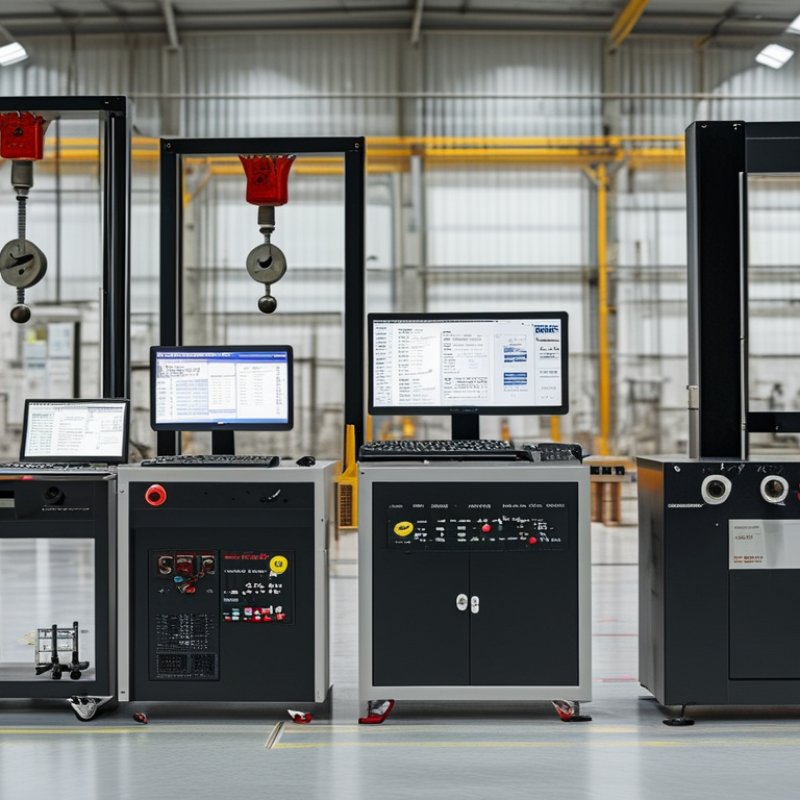
China Top Drop Testing Machine Suppliers: How to Choose?
A drop testing machine simulates the sudden impact a packaged product may experience during handling. ASTM D5276 evaluates free-fall drops of loaded containers. It helps measure visible damage, package weakness, and product protection. ISO 2248 also defines vertical impact testing through controlled dropping. Its focus is the drop height, orientation, and impact conditions. These standards sound similar, but their procedures are not interchangeable.
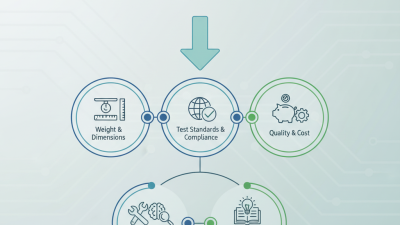
ISTA 3A addresses parcel delivery risks more broadly. The test may include atmospheric conditioning, drop impacts, vibration, and compression. A suitable machine should provide stable drop heights, accurate release, and a rigid impact surface. Check the maximum specimen weight first. Then verify platform size, height range, safety protection, and calibration records. A machine with impressive specifications can still perform poorly if its release system twists the package.
Tips: Match the machine to the test standard, not only the box size. Ask for calibration evidence and recent test data. Observe one live test if possible. Small details matter. Also, package failures do not always come from drops. Weak seals, poor cushioning, or unrealistic product weight may distort the result. Standards guide the method, but your distribution route may need additional testing. That part is often underestimated.
| Evaluation Dimension | Relevant Standard or Reference | What the Requirement Defines | Key Machine Features to Verify | Supplier Evidence to Request | Practical Selection Guidance |
|---|---|---|---|---|---|
| Test Purpose | ASTM D5276 | Provides a standard test method for free-fall drop testing of loaded containers, including packaged products and shipping containers. | Controlled release mechanism, repeatable drop sequence, suitable impact surface, and safe specimen positioning. | Technical datasheet, operating procedure, repeatability data, and a description of the applicable test method. | Choose a system designed for package-development or performance-comparison work rather than relying only on a general-purpose lifting device. |
| Test Purpose | ISO 2248 | Specifies a method for vertical impact testing by dropping a filled transport package from a specified height onto a rigid horizontal surface. | Accurate drop-height adjustment, rigid and level impact platform, stable specimen release, and clear height reference point. | Calibration records for height measurement, platform specifications, and documented test setup instructions. | Confirm that the supplier defines drop height consistently, especially for packages with different dimensions or center-of-gravity positions. |
| Distribution Simulation | ISTA 3A | Describes a general simulation test for packaged-products shipped through parcel delivery systems. The complete protocol may include hazards beyond free-fall drops. | Drop testing capability plus compatibility with the required sequence, specimen mass, package type, and other applicable distribution tests. | Test-plan mapping, sequence documentation, and confirmation of which ISTA 3A elements the equipment can perform. | Do not treat an individual drop test as full ISTA 3A compliance; verify the complete test sequence required for the package and shipment profile. |
| Maximum Specimen Mass | Application-specific | Maximum test load depends on the package, fixture, release system, and selected test method. | Clearly stated rated load, overload protection, reinforced lifting structure, and load-compatible release components. | Rated-load certificate, structural drawings, load-test results, and safety-factor information where available. | Select a capacity above the heaviest filled package and fixture combination, while avoiding unnecessary oversizing that can reduce efficiency. |
| Drop Height Range | ASTM D5276 / ISO 2248 | The required height is determined by the applicable test plan, package mass, package type, and test objective; the standards do not establish one universal height for every package. | Adjustable height scale, accurate height control, low-drift positioning, and a repeatable release point. | Height-range specification, measurement accuracy, adjustment method, and calibration interval. | Compare the machine range with the heights used in the intended test procedures instead of selecting by maximum height alone. |
| Impact Surface | ASTM D5276 / ISO 2248 | Vertical free-fall testing requires a suitable rigid horizontal impact surface that supports consistent impact conditions. | Rigid steel or equivalent impact surface, levelness control, sufficient thickness, and resistance to deformation. | Platform material, dimensions, flatness tolerance, thickness, anchoring method, and inspection procedure. | A deformed or inadequately supported platform can change impact energy and reduce the comparability of test results. |
| Release Accuracy | ASTM D5276 / ISO 2248 | The package should be released without unintended horizontal push or rotation that could distort the intended drop orientation. | Electromagnetic, pneumatic, or mechanical release designed for low-interference operation; secure gripping and adjustable supports. | Release-system description, orientation-control method, repeatability test, and maintenance requirements. | Prioritize clean release and orientation control when testing fragile products or packages with a defined edge, corner, or face orientation. |
| Drop Orientations | Test-plan dependent | Typical package evaluations may specify drops on faces, edges, or corners. The exact sequence must come from the selected procedure or customer test plan. | Adjustable specimen supports, orientation aids, corner or edge positioning capability, and repeatable setup references. | Orientation diagrams, fixture drawings, sample test records, and operator training materials. | Choose a machine that can reproduce the required orientation without improvised fixtures or excessive manual positioning. |
| Measurement and Data Recording | Good laboratory practice | Drop height, specimen mass, orientation, sequence, observations, and package damage should be recorded for traceable evaluation. | Digital height display, test counter, optional camera or sensor integration, and exportable test records. | Sample report, software screenshots, data-export format, and information on sensor calibration. | For routine quality control, prioritize simple, traceable records; for research work, consider synchronized video and impact instrumentation. |
| Calibration and Verification | ISO 17025 principles may apply to the laboratory | The machine should be periodically verified for parameters that affect test validity, such as height, levelness, load, and release performance. | Accessible calibration points, defined verification procedures, adjustment controls, and serial-number traceability. | Factory calibration certificate, recommended verification schedule, calibration method, and service documentation. | Confirm whether certificates are traceable to recognized measurement standards and whether local recalibration support is available. |
| Safety System | Workplace safety requirements | Vertical drop testing involves elevated loads and moving mechanisms, so guarding and controlled operation are essential. | Enclosed test area, interlocked doors, emergency stop, warning indicator, overload protection, and controlled descent after power loss. | Risk assessment, safety-circuit description, electrical documentation, and user-maintenance instructions. | Reject equipment that relies only on operator awareness for protection from falling packages or moving components. |
| Control and Usability | Operational requirement | Consistent setup and operation reduce variation between operators and test sessions. | Password-protected parameters, clear controls, recipe storage, test counters, multilingual documentation, and fault alarms. | Control-panel demonstration, user manual, parameter list, training plan, and software support policy. | For high testing volume, select repeatable recipe-based operation; for occasional testing, prioritize intuitive setup and maintenance access. |
| Installation Conditions | Facility-specific | Machine performance can depend on floor strength, available ceiling height, electrical supply, compressed air, and working space. | Defined footprint, anchoring requirements, power specifications, air requirements if applicable, and installation tolerances. | Layout drawing, utility requirements, foundation guidance, shipping dimensions, and installation checklist. | Confirm the complete installation envelope before ordering, including access routes for delivery and future maintenance. |
| Service and Spare Parts | Supplier capability | Long-term test consistency depends on support for release components, sensors, controls, belts, cables, and safety devices. | Modular components, accessible wear parts, diagnostic functions, and documented preventive-maintenance procedures. | Spare-parts list, warranty terms, response time, remote-support process, and service coverage for the installation region. | Evaluate total ownership cost and expected downtime, not only the initial purchase price. |
| Final Supplier Decision | Compliance and suitability review | A suitable supplier should demonstrate that the proposed machine matches the required test method, package range, safety needs, and documentation expectations. | Application review, witnessed sample test, documented acceptance criteria, and final configuration confirmation. | Quotation with technical specifications, compliance statement, sample report, acceptance-test plan, and after-sales agreement. | Shortlist suppliers that provide transparent technical evidence and can demonstrate the exact package type, mass, height, and orientation required by your test plan. |