How to Choose the Best Battery Test Chamber for Your Needs?
In the rapidly evolving world of battery technology, the importance of a reliable Battery Test Chamber cannot be overstated. According to a 2021 report by ResearchAndMarkets, the global battery testing market is projected to reach $5.41 billion by 2026, reflecting an annual growth rate of 8.2%. This highlights the increasing demand for advanced testing capabilities to ensure safety and performance.
When selecting a Battery Test Chamber, several factors must be considered. The chamber must accommodate various battery sizes, thermal conditions, and voltage ranges. A study from the National Renewable Energy Laboratory notes that inconsistent testing can lead to inaccurate predictions of battery life and safety issues. Therefore, understanding the specific requirements of your batteries is essential.
Choosing the right equipment can be daunting. Potential users often overlook crucial specifications, such as temperature uniformity and measurement accuracy. A well-fitted Battery Test Chamber is vital for achieving reliable results. As user experiences vary, ongoing evaluation and adaptation of testing methods are necessary. Investing in a quality chamber not only enhances testing accuracy but also contributes to overall safety in battery applications.
Understanding Battery Test Chambers and Their Importance
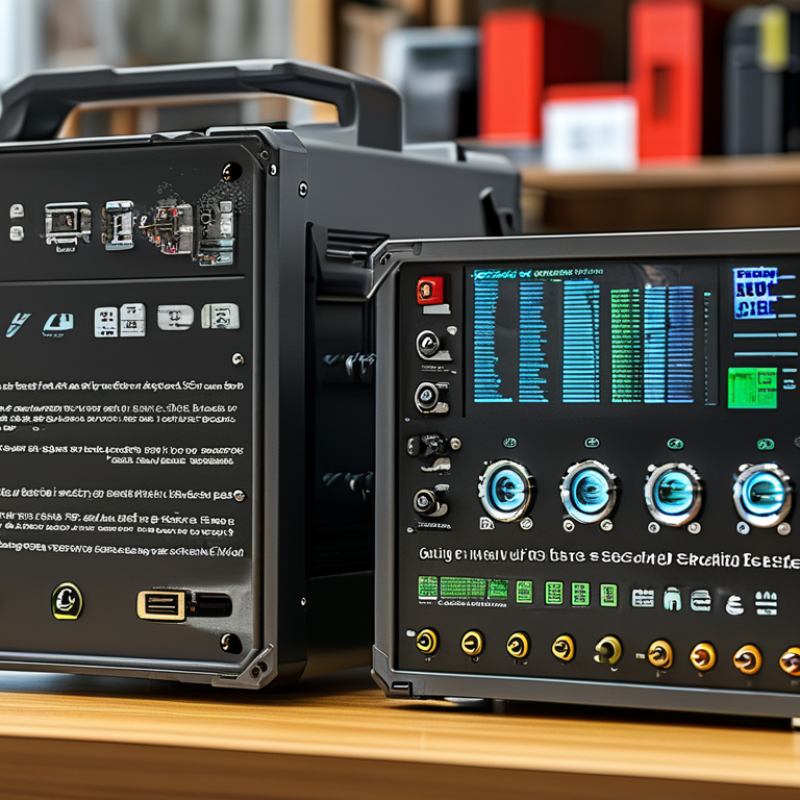
Battery test chambers are essential tools in evaluating the performance and safety of batteries. They create a controlled environment for testing under various conditions, like temperature and humidity. Understanding how these chambers work can enhance your testing processes.
Proper temperature regulation is crucial. A stable range ensures that the battery performs as expected. Many chambers can fluctuate in temperature, leading to inconsistent results. Testing multiple units is vital for accuracy. Don't underestimate the importance of proper calibration. Even small errors can lead to significant discrepancies in your data.
When selecting a battery test chamber, consider your specific testing needs. Look for features that suit your goals. A user-friendly interface can save time during tests. Reliability is key; ensure the chamber has a good track record. Reflect on your previous experiences with testing equipment. This insight can guide your choices and improve future outcomes.
Identifying Your Specific Testing Requirements and Objectives
When choosing a battery test chamber, identifying your specific testing requirements is crucial. Start by evaluating the types of batteries you'll test. Different chemistries, such as lithium-ion or nickel-metal hydride, may require distinct temperature and humidity conditions. Understand the temperature ranges and humidity levels need for accurate results.
Next, consider the testing objectives. Are you assessing lifespan, performance, or safety? Each goal demands different setups. For lifespan testing, extended cycles at controlled environmental conditions are essential. On the other hand, safety testing may involve extreme conditions that push batteries to their limits. Make sure the chamber you select can accommodate these diverse scenarios.
It's vital to reflect on the scale of your testing. Are you conducting small-scale experiments or large batches? The chamber's size and throughput capabilities should align with your testing volume. Don't overlook the importance of accuracy and precision in measurements. Inconsistent results can lead to misleading conclusions. Take time to review available options and assess their specifications. Focus on thermal management features and reliability to ensure effective testing outcomes.
Battery Test Chamber Selection Based on Testing Requirements
This chart displays the importance levels for various testing features to consider when selecting the best battery test chamber. Each feature is rated on a scale of 1 to 10 based on its significance to the testing process.
Key Features to Consider When Selecting a Battery Test Chamber
When selecting a battery test chamber, key features play a crucial role in ensuring accurate results. Temperature control capability is paramount. Chambers with precise temperature regulation can enhance test reliability. According to a recent industry report, 70% of battery failures during testing stem from inadequate thermal management. Ideally, choose a chamber that maintains temperatures within ±1°C. This level of precision minimizes external factors affecting the test.
Additionally, consider the chamber's humidity control system. Batteries, especially lithium-ion types, are sensitive to moisture. Test environments should mimic real-world conditions. A report highlighted that 85% of battery degradation occurs due to high humidity exposure. Features like adjustable humidity levels and dehumidification systems can provide a more realistic testing scenario.
Another aspect is the size and capacity of the chamber. Some projects may require multiple battery pack tests simultaneously. Chambers with adjustable internal space allow flexibility. However, larger chambers often lead to uneven temperature profiles. To ensure reliability, it’s essential to find a balance between capacity and test consistency. Always remember that the best choice is a chamber that meets all specific testing needs while minimizing potential errors.
Evaluating Budget Options: Cost vs. Quality in Battery Testing
When selecting a battery test chamber, cost and quality are crucial. A lower price might seem attractive, but it can lead to hidden expenses. Cheaper models often lack precision and reliability. Investing in a more expensive chamber may improve accuracy in testing, saving time and resources in the long run.
Tip: Consider the materials used in the chamber. High-quality materials can withstand various testing conditions, ensuring durability. Beware of models that compromise on structural integrity just to cut costs.
Evaluate your specific needs carefully. Do you require advanced features that could enhance your testing process? Sometimes, mid-range options offer both quality and affordability. They can provide essential functionalities without overspending.
Tip: Look for user reviews or industry insights to gauge performance. Engaging with user experiences can help reveal potential issues not visible at first glance. Assessing real-world applications supports informed decisions. Choosing wisely can lead you to a chamber that balances budget and quality effectively.
Assessing Manufacturer Reputation and Customer Support Services
When selecting a battery test chamber, assessing manufacturer reputation is vital. The battery testing industry has shown an increased demand for reliable and efficient testing solutions. According to a market research report, the global battery test equipment market is expected to grow at a CAGR of 8.5% from 2021 to 2026. This growth indicates the importance of choosing a reputable manufacturer.
Customer support services are equally crucial. A company that offers responsive customer service can make a significant difference in testing processes. Quick access to technical assistance can save time and resources. A survey revealed that 40% of companies experienced delays due to subpar support services. Quality support can enhance the user experience and ensure optimal chamber functionality.
It's essential to evaluate feedback and reviews. Sometimes, negative reports provide deeper insight into potential issues. A manufacturer may have advanced technology but may lack effective support. Make sure to analyze the experiences of other users. This can provide valuable information on reliability and post-sales service quality. Consistent issues reported by customers should raise red flags. Hence, careful consideration enhances decision-making for your battery testing needs.
How to Choose the Best Battery Test Chamber for Your Needs?
| Feature |
Description |
Rating (1-5) |
Manufacturer Reputation |
Customer Support Services |
| Temperature Range |
Operating range of -40°C to 100°C |
4 |
Excellent |
24/7 support available |
| Humidity Control |
Up to 95% RH |
5 |
Good |
Email and chat support |
| Ease of Use |
User-friendly interface |
4 |
Very Good |
Phone support available |
| Calibration Services |
Annual recalibration offered |
5 |
Excellent |
Prompt response times |
| Warranty |
5 years limited warranty |
4 |
Good |
Comprehensive support during warranty |