How to Choose an Altitude Simulation Chamber in 2026
Choosing an Altitude Simulation Chamber in 2026 means matching the equipment to a clear training or research goal. A chamber’s maximum simulated altitude is only one part of the decision. Ask how accurately it controls oxygen levels, how evenly air circulates, and whether it records exposure data. Look for service access, calibration details, and straightforward emergency procedures. A screen full of numbers is not proof of reliable performance.
Altitude physiologist Dr. Benjamin Levine is associated with the guiding phrase, “Live high, train low.” It captures an important point: exposure needs to fit the intended protocol, not simply feel more extreme. For a chamber, check whether it can hold stable conditions during realistic use, including when doors open and people move. Ask the supplier for test records and references from facilities with similar needs. Small details matter. A noisy fan or confusing control panel can disrupt a carefully planned session.
Compare total operating costs, not just purchase prices. Include installation, power use, routine maintenance, and staff training. Confirm the chamber’s capacity using the number of people you expect to accommodate, with room for safe movement. A demonstration can reveal issues that brochures miss. I would still treat any quoted performance figure with some caution until its testing method is clear. The right choice is not always the most advanced model; it is the one whose verified capabilities, support, and limits fit your use.
Define the Intended Use and Required Altitude Range
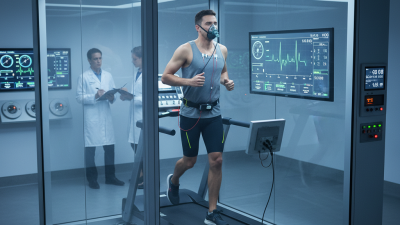
Begin with the chamber’s actual job, not a headline altitude. Will it support human performance studies, staff familiarization, equipment checks, or repeated environmental testing? Each use changes practical requirements: occupant count, time at altitude, activity level, and monitoring needs. Keep the scope specific. Walking or cycling creates different heat, airflow, and space demands than quiet, seated exposure.
Next, define the altitude range in terms the chamber must support. Record the lowest and highest equivalent altitudes, expected setpoints, ramp-up and descent times, and how often conditions will change. Equivalent altitude is useful, but confirm the corresponding pressure range and whether oxygen concentration is controlled separately. Local elevation and weather can affect the starting point. Ask for performance data across the full range, not just one favorable test point. Details matter.
A chamber intended for brief tests may not suit several-hour sessions or daily operation. Check door access, viewing windows, emergency egress, sensor ports, cleaning routines, and calibration intervals against the planned workflow. Consider whether future studies may need a higher altitude ceiling or more occupants. Extra capacity can raise costs and operating demands; too little can constrain protocols. No perfect number exists. Write down assumptions, including uncertain ones, before comparing proposals.
How to Choose an Altitude Simulation Chamber in 2026
Define the intended use and required altitude range. This chart shows approximate standard-atmosphere pressure at selected altitudes.
Start with the highest altitude required by your protocol, then confirm the corresponding operating pressure and chamber control range. Pressure values are approximate and based on the International Standard Atmosphere; actual requirements depend on the application and test conditions.
Compare Chamber Types and Altitude Simulation Methods
An altitude chamber can simulate hypoxia in two main ways. A hypobaric chamber lowers air pressure, reproducing the pressure changes experienced at altitude. A normobaric chamber keeps pressure near sea level but reduces oxygen concentration. Both can create a comparable oxygen challenge, but they are not physiologically identical; a review in Sports Medicine by Millet and colleagues describes differences in human responses between the two environments.
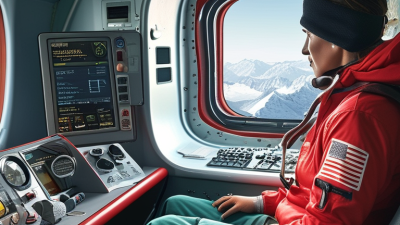
For aviation familiarization, hypobaric equipment offers a more realistic pressure experience. It also requires pressure-rated construction and careful decompression controls. Normobaric rooms are often simpler to install and suit repeatable training or controlled research, though they do not reproduce low barometric pressure. The distinction matters. The FAA’s 14 CFR 25.841 sets 8,000 feet cabin-pressure altitude as the normal upper limit for transport aircraft, a useful reference when setting realistic scenarios.
Compare more than the displayed altitude. Check oxygen and pressure sensor calibration, response time, emergency recovery procedures, and how evenly conditions reach each seat. NIOSH’s Pocket Guide defines oxygen-deficient atmospheres as below 19.5% oxygen; this is a safety reference, not a chamber performance rating. Ask for independent calibration records. A polished display can still conceal uneven airflow. The choice is not perfectly tidy: greater realism may bring greater operating complexity.
Assess Capacity, Environmental Controls, and Monitoring Features
How to Choose an Altitude Simulation Chamber in 2026
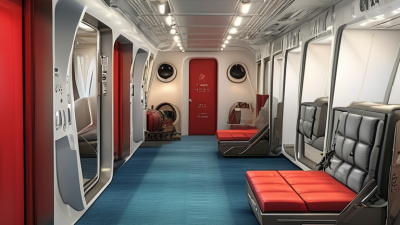
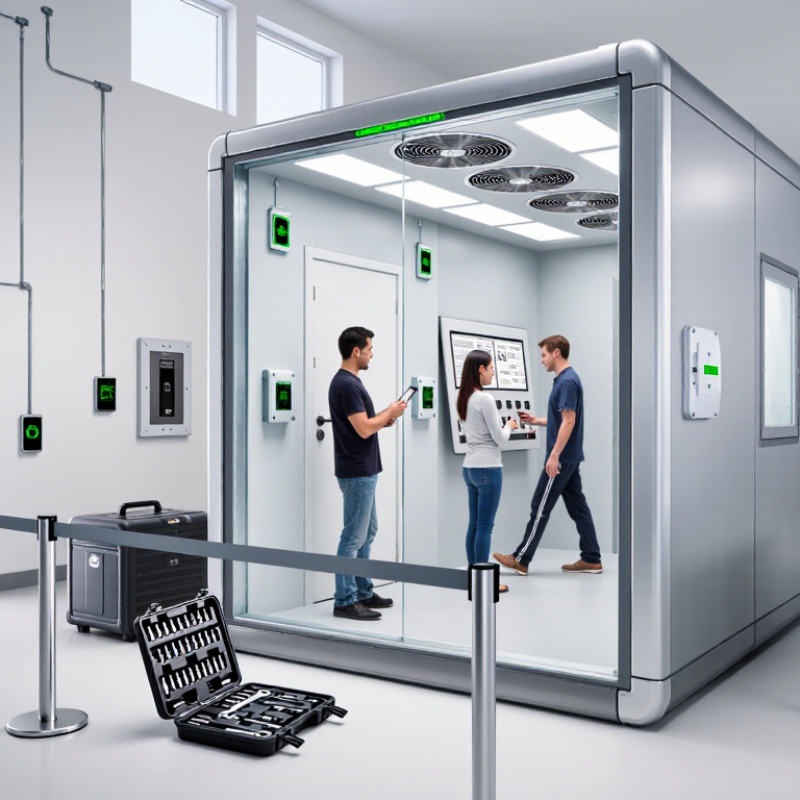
Assess capacity against the people and equipment that will be inside at the same time. A chamber that fits one seated participant may feel cramped once a treadmill, cables, or medical equipment are added. Check usable floor area, access for loading, and the manufacturer’s stated capacity under working conditions. Leave some room to move. Extra capacity can help, but an oversized chamber may waste space and budget.
Environmental controls should match the work planned. Compare the available simulated-altitude range, adjustment speed, and stability, then check whether temperature and humidity can be controlled independently. Monitoring matters just as much. Look for clear readings, data logging, sensor calibration information, and alarms for conditions outside set limits. Ask how readings are checked and what happens if a sensor fails. A polished display alone does not guarantee dependable measurements.
Tips: Write down your required capacity, altitude range, and environmental limits before comparing models. Ask for operating and maintenance details. One judgment call remains: adding every possible feature can complicate use, so prioritize the controls your team will actually monitor.
Evaluate Lifecycle Costs and Confirm Vendor Performance
When comparing altitude simulation chambers, look beyond the purchase price. Estimate energy use, scheduled maintenance, calibration, and likely downtime across the chamber’s working life. Ask for service intervals and the cost of commonly replaced items, such as door seals, filters, and sensors.
Small details matter.
A chamber that fits the budget today may become expensive if routine maintenance requires long service visits.
Build a realistic cost model using your expected test hours, target pressure changes, and load size. Then ask vendors to demonstrate performance against your actual operating profile, not just a standard brochure specification. Request factory acceptance test records, calibration documentation, and clear definitions for uniformity and recovery time. Ask for response times, spare-parts availability, and support arrangements in writing.
Ask for records.
If possible, speak with facilities that run similar test schedules. Their experience may reveal practical issues that a formal specification misses. No forecast is perfect; energy prices, workload, and repair needs can change. I would leave room for that uncertainty rather than presenting a single lifetime-cost figure as exact.