10 Best Altitude Simulation Chambers for Optimal Training and Research?
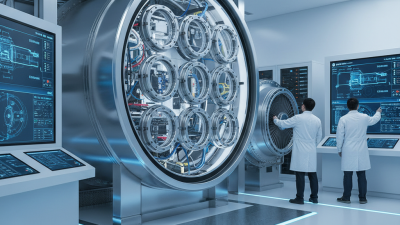
Altitude simulation chambers are essential tools for athletes and researchers aiming for optimal performance at high elevations. These chambers can mimic high-altitude conditions, providing unique training opportunities. Using an altitude simulation chamber, individuals can acclimatize to reduced oxygen levels. This process enhances endurance and boosts overall athletic performance.
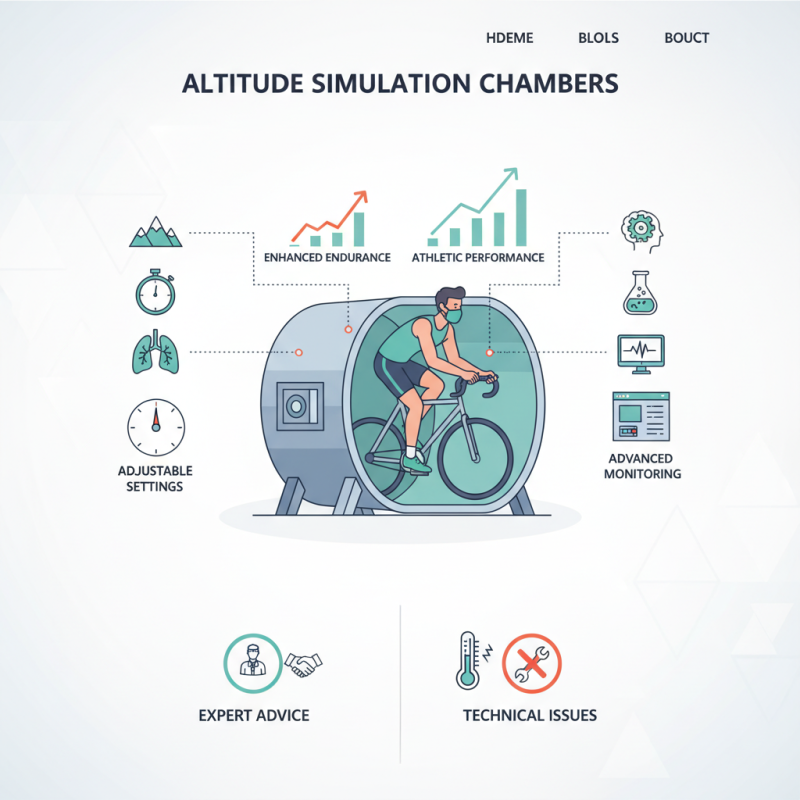
Different models offer varying features, from adjustable altitude settings to advanced monitoring capabilities. Selecting the right chamber requires understanding specific training goals and research needs. There’s no perfect system on the market, and each option has its pros and cons. Users sometimes encounter challenges, like technical issues or temperature control problems. It’s important to evaluate these factors seriously before making a decision.
In the competitive field of altitude training, quality matters. A reputable altitude simulation chamber can significantly impact results. However, potential buyers should thoroughly research available options. They should also seek expert advice to ensure the right fit for their requirements. Being informed can lead to better choices, fostering enhanced outcomes in both training and research.
Overview of Altitude Simulation Chambers and Their Importance
Altitude simulation chambers play a crucial role in both athletic training and scientific research. These controlled environments replicate high-altitude conditions, helping individuals adapt physiologically. Athletes often use these chambers to enhance their endurance and performance. Training in less oxygen helps improve efficiency. The physiological changes can lead to significant advantages during competition.
Researchers benefit from altitude simulation chambers too. They study the effects of hypoxia on various bodily functions. These insights are vital for understanding altitude sickness and developing preventive strategies. However, it’s important to note that not all chambers deliver the same results. Variability in designs and technologies can affect outcomes. Thus, selecting an effective system requires careful consideration.
While altitude simulation has many benefits, it is not without limitations. Some individuals may experience discomfort or adverse effects during sessions. Adaptation can be slow, and not everyone responds positively. Continuous research is needed to understand these dynamics better. The nuances of altitude training continue to provoke discussion among experts. Each chamber offers unique features worth evaluating. Ultimately, the goal is to foster optimal training while minimizing risk.
Key Features to Consider When Choosing an Altitude Simulation Chamber
When selecting an altitude simulation chamber, several key features should guide your choice. A primary consideration is the chamber's altitude range. The best chambers can simulate high altitudes up to 25,000 feet or more. This is essential for both training athletes and conducting research. Consistent oxygen levels are also crucial. A chamber must provide accurate control over oxygen concentration to replicate the desired altitude effectively.
Another important factor is the chamber's size and capacity. Ensure it can accommodate multiple subjects for group training sessions or research studies. Adequate space enhances comfort and reduces the risk of claustrophobia. Additionally, the usability of the chamber's control system is vital. An intuitive interface allows for easy adjustments, which helps to avoid operational errors during critical training sessions.
Consider the chamber's monitoring capabilities. Advanced chambers offer real-time data tracking for physiological responses. This feature supports better research outcomes and training adjustments. Some chambers are equipped with additional functionalities like temperature control and humidity settings. These enhancements can create a more realistic environment. However, not every chamber effectively combines these features, leading to potential oversights in training or research protocols. Carefully evaluate each option to ensure it meets your specific requirements.
Altitude Simulation Chambers Performance Comparison
Top 10 Altitude Simulation Chambers for Training and Research
Altitude simulation chambers are crucial for training athletes and conducting research. These chambers replicate high-altitude conditions, thereby enhancing performance and studying physiological adaptations. By simulating reduced oxygen availability, they help athletes improve endurance and overall stamina. Research indicates that training in these conditions can boost red blood cell production, leading to improved oxygen transport.
When selecting an altitude simulation chamber, consider size and control features. A well-designed chamber allows precise adjustments to oxygen levels and pressure. Look for a model that offers versatility for varied training regimens. Most chambers provide adjustable height settings, simulating elevations from 2,000 to 6,000 meters.
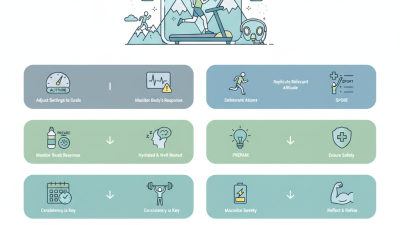
Tips: Always monitor heart rates during training sessions. This helps assess individual responses to the simulated altitude. Regularly evaluate the chamber's calibration for consistent results. Also, remember that not all athletes respond the same way. Some may thrive, while others might struggle initially. It’s essential to adjust protocols as needed based on individual performance.
Keep in mind that proper acclimatization is crucial. Jumping straight into extreme altitude settings can lead to fatigue or decreased performance. Allow time for the body to adapt slowly. Ultimately, the right altitude simulation chamber can be a game-changer. But thoughtful use and adjustments based on personal data are key to unlocking its full potential.
Comparative Analysis of Altitude Simulation Chamber Performance
Altitude simulation chambers have gained popularity in both training and research due to their ability to replicate high-altitude conditions. A comparative analysis reveals that these chambers vary significantly in performance metrics, including oxygen concentration control, user interface, and cost-efficiency. Recent data from industry studies indicate that effective chambers maintain a consistent oxygen level drop to mimic altitudes of 2,500 to 5,000 meters. This balance is essential for athletes and researchers aiming for optimal adaptation to extreme conditions.
To enhance the effectiveness of training, it's vital to consider the chamber's adaptability. Some established protocols recommend exposure ranging from 30 minutes to several hours, depending on the specific goals—endurance training, acclimatization, or recovery protocols. Doing so helps in addressing the nuances of individual responses to altitude stress. Misalignment of exposure duration with the athlete's physiological needs may yield suboptimal adaptation results, indicating a need for continuous refinement.
Tips: Always test the chamber settings before extended use. A small adjustment can significantly impact outcomes. Additionally, regularly monitor heart rate and blood oxygen levels during sessions. This ensures a safer training environment and helps track adaptation progress. Fine-tuning these variables can lead to enhanced performance and insight into physiological responses.
10 Best Altitude Simulation Chambers for Optimal Training and Research
| Chamber Type |
Max Altitude (m) |
Chamber Size (m3) |
Cooling System |
Power Consumption (kW) |
Cost ($) |
| Type A |
5000 |
15 |
Water-cooled |
10 |
150,000 |
| Type B |
6000 |
20 |
Air-cooled |
12 |
175,000 |
| Type C |
5500 |
18 |
Water-cooled |
11 |
160,000 |
| Type D |
5000 |
15 |
Air-cooled |
9 |
145,000 |
| Type E |
6500 |
22 |
Water-cooled |
13 |
200,000 |
Future Trends in Altitude Simulation Technology for Athletes and Researchers
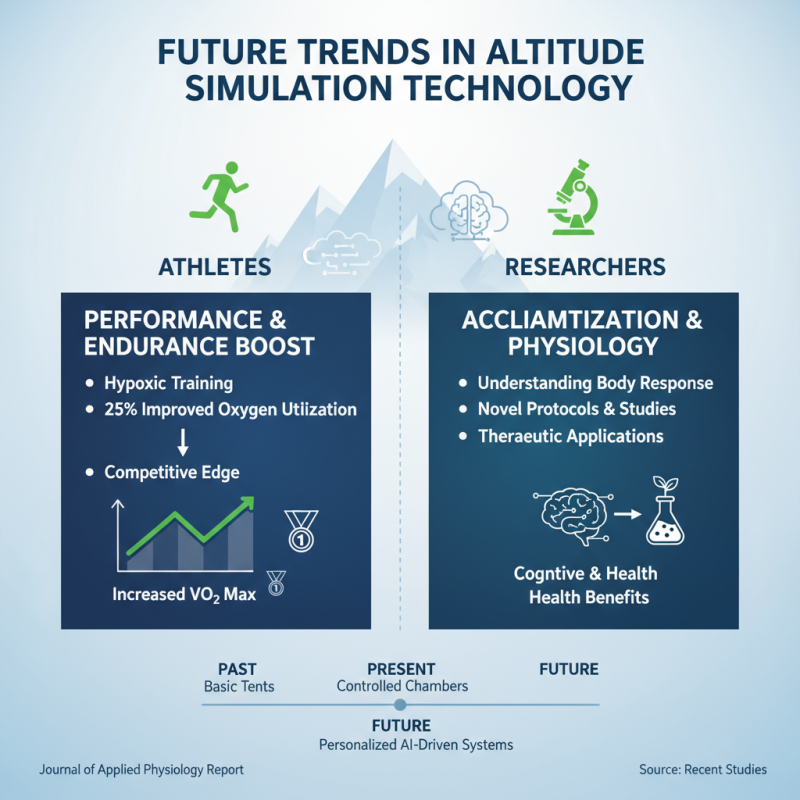
Altitude simulation technology is evolving rapidly, significantly impacting training for athletes and research protocols. Recent studies indicate that hypoxic environments enhance performance and endurance. According to a report from the Journal of Applied Physiology, training in these conditions improves oxygen utilization by up to 25%. This shift offers athletes a competitive edge. Researchers are also tapping into this technology to understand acclimatization processes better.
Emerging trends indicate a growing interest in portable altitude simulation systems. These units provide flexibility and accessibility, catering to individual training routines. Data from the International Journal of Sports Medicine shows that more athletes are integrating altitude chambers into their regimens. However, not all devices deliver consistent results. Ongoing research is needed to evaluate long-term effects versus short-term gains.
In addition, there is a need for standardization in altitude training protocols. Experts warn that discrepancies in altitude settings can lead to varying outcomes. This inconsistency challenges the ability to draw clear conclusions from research. As technology advances, the future may hold the promise of more refined, user-friendly solutions. Still, the understanding of physiological responses must catch up. Balancing technology with solid scientific inquiry is essential for maximizing benefits.