Top Benefits of Using a Double-Wing Drop Tester for Quality Assurance
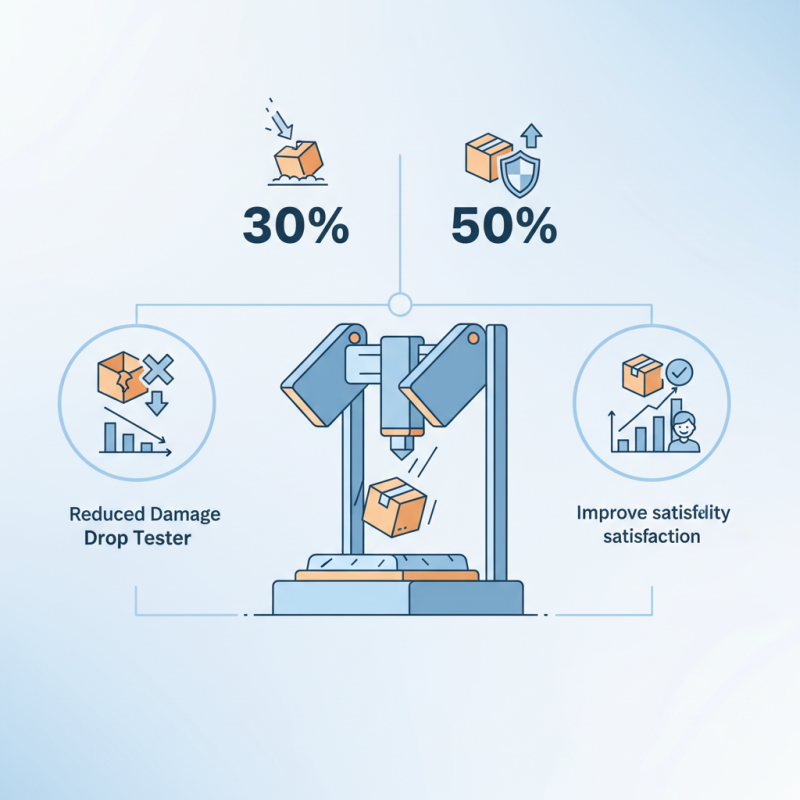
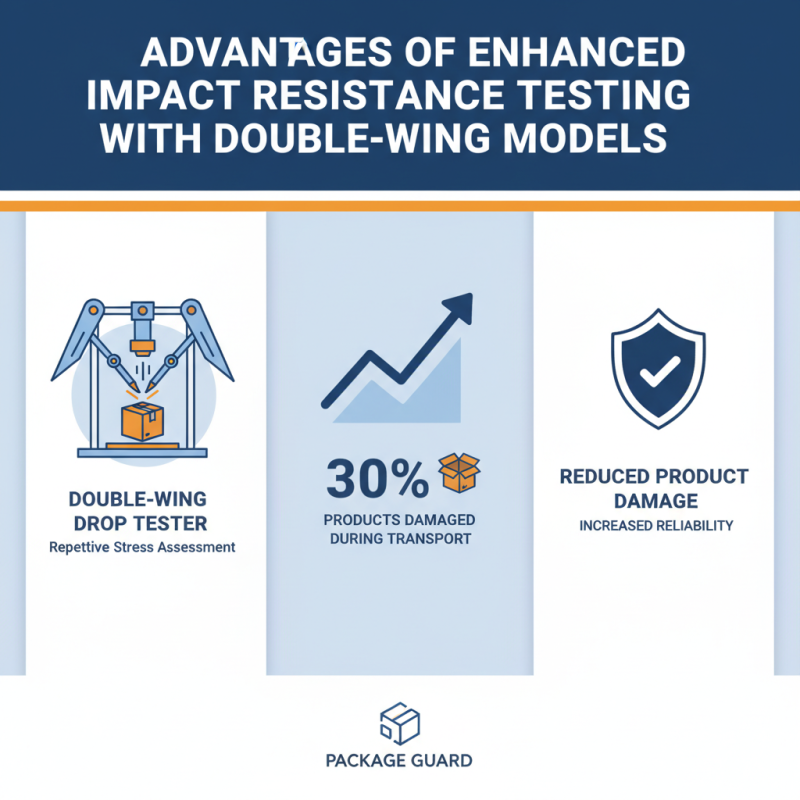
In the realm of quality assurance, the Double-Wing Drop Tester is indispensable. This tool evaluates packaging durability under real-world conditions. Reports indicate that 30% of product damage occurs during shipping. Using reliable testing methods can significantly reduce these losses.
The Double-Wing Drop Tester allows for controlled drops from various heights. This ensures that products meet industry standards and consumer expectations. According to the International Safe Transit Association, proper testing can lead to a 50% reduction in transportation damages.
However, not all organizations utilize this technology effectively. Some may overlook critical parameters, leading to inadequate testing. It's crucial for businesses to assess their testing strategies. Enhanced testing practices can ultimately ensure better quality assurance and more satisfied customers.
Overview of Double-Wing Drop Testers in Quality Assurance
Double-wing drop testers have become essential in quality assurance across various industries, particularly for fragile products. These machines simulate real-world impact scenarios, helping companies analyze product durability. Industry data shows that nearly 30% of consumer products are returned due to damage incurred during shipping. This statistic underscores the need for effective testing methods.
The double-wing design offers significant advantages over single-wing testers. It allows for a more comprehensive assessment of packaging and product integrity. With the ability to conduct repeated drop tests from various heights, manufacturers can pinpoint weaknesses in their designs. Research indicates that products tested using double-wing testers improve retention rates by up to 40%.
However, not all testing processes are perfect. Some manufacturers may overlook specific factors, such as environmental conditions during testing. Others might use outdated protocols that do not reflect current shipping practices. Addressing these gaps is crucial for enhancing overall product reliability. Continuous testing and refinement are key to ensuring consumer satisfaction and reducing returns.
Top Benefits of Using a Double-Wing Drop Tester for Quality Assurance
This chart illustrates the key advantages of utilizing a double-wing drop tester in quality assurance. The benefits highlighted include Enhanced Durability Testing, Improved Product Safety, Increased Efficiency in Quality Control, and Cost Reduction in Packaging Testing.
Key Features of Double-Wing Drop Testers for Product Testing
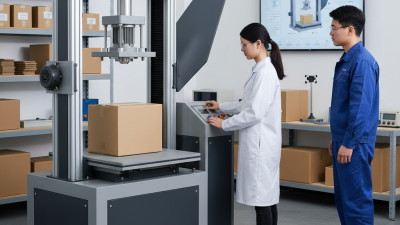
Double-wing drop testers are essential for product testing in quality assurance. These devices accurately simulate the impact of falls in real-world situations. With their unique design, they provide a reliable way to assess the durability of various products.
One key feature is the adjustable drop height. This flexibility allows testers to measure how products withstand different levels of impact. Another significant aspect is the dual-wing structure. This offers a more balanced drop, leading to reproducible results every time. The ease of operation makes it accessible for many operators. However, without proper training, miscalculations can occur.
Tips: Always calibrate the device regularly to ensure accuracy. Checking the condition of the testing surface is also vital. A damaged surface can skew the results. When analyzing the outcomes, consider environmental factors that may affect the testing process.
Using a double-wing drop tester helps identify weaknesses in products. However, some designs may not fit all product types. Therefore, it's crucial to evaluate if the tester suits your specific needs. Adjust your testing parameters based on your product category for optimal results.
Cost-Effectiveness and Efficiency in Quality Control Processes
Quality control is essential for manufacturing. One cost-effective method is using a double-wing drop tester. This device helps assess packaging durability efficiently. It simulates real-world handling, revealing weaknesses that may not be obvious. Effective testing prevents costly product returns and enhances customer satisfaction.
Using a double-wing drop tester also streamlines the testing process. It allows for multiple test configurations, which saves time. By quickly identifying flaws in packaging, manufacturers can make necessary adjustments. However, it requires careful calibration. Overlooking this may lead to inaccurate results.
While the benefits are clear, relying solely on any one method can be risky. It's crucial to integrate other quality checks alongside drop testing. Balancing various testing methods ensures a comprehensive quality assurance strategy. Embracing this holistic approach fosters continuous improvement in product quality.
Top Benefits of Using a Double-Wing Drop Tester for Quality Assurance
| Benefit |
Description |
Impact on Quality Control |
Cost Savings (%) |
| Increased Testing Efficiency |
Reduces the time taken for drop tests significantly. |
Quicker testing leads to faster production cycles. |
15% |
| Enhanced Data Accuracy |
Provides precise measurements of impact force and drop heights. |
Improves overall reliability of test results. |
10% |
| Promotes Consistency |
Standardizes testing processes across different teams. |
Yields uniform results, aiding in product reliability. |
20% |
| Reduced Labor Costs |
Automates many of the manual testing tasks. |
Less manpower is needed, reducing operational costs. |
25% |
| Improved Product Development |
Identifies weaknesses in packaging beforehand. |
Leads to better product designs and fewer recalls. |
30% |
Real-World Applications of Double-Wing Drop Testers in Various Industries
In various industries, double-wing drop testers have become essential for ensuring product safety. These devices simulate real-life conditions by dropping packages from different heights. This method allows manufacturers to assess how their products will withstand impacts during shipping. For example, in the electronics sector, a drop test can reveal vulnerabilities in packaging that could lead to product failures.
The food and beverage industry also benefits from double-wing drop testing. Containers holding food must remain intact during transport. A flawed container could result in spoilage or contamination. Testing helps identify weak points that need improvement. Observations from these tests often lead to design changes or new materials that enhance durability.
However, the application of these tests isn't flawless. Sometimes, the results do not accurately reflect real-world scenarios. Variables like packaging type and shipping conditions can vary widely. It's essential for manufacturers to use these tests as guidelines, rather than definitive answers. Continuous reflection and adaptation based on testing outcomes can lead to significant improvements in quality assurance processes.